Why Routine Lawn Mowing Service Is Vital to a Healthy Green Lawn
Maintaining a lush grassy yard requires more than just infrequent upkeep. Frequent grass trimming plays a vital role in supporting vigorous grass growth and overall lawn vitality. It supports fuller turf growth, aids in weed control, and decreases pest-related issues. However, not all mowing practices yield the same results. Grasping the intricacies of proper mowing is critical for peak lawn condition. Which considerations should homeowners keep in mind to ensure their lawns flourish?
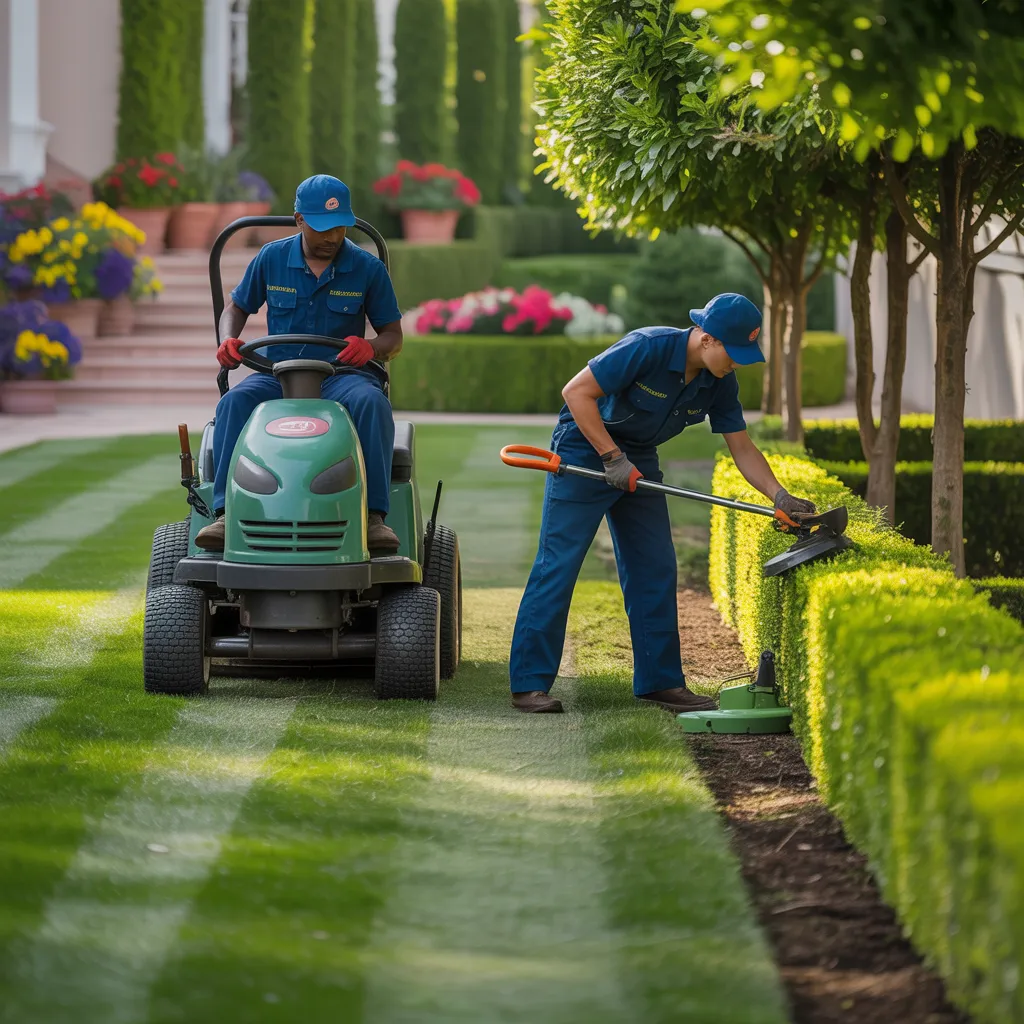
Why Routine Mowing Is Essential for Grass Health
Routine mowing plays a vital role in maintaining a healthy lawn. By trimming grass to the proper height, mowing encourages a thicker and more durable turf. This practice not only stops weeds from establishing themselves but also facilitates better air circulation and sunlight penetration, which are necessary for the overall health of the grass. Moreover, routine mowing stimulates lateral growth, allowing grass plants to spread and fill in bare spots.
Furthermore, regular mowing habits assist in controlling unwanted pests and harmful diseases, as overgrown grass is known to host destructive insects and dangerous pathogens. By trimming the grass to a proper height, homeowners can minimize these risks. In addition, regular mowing contributes to a visually appealing landscape, elevating the visual character of the property. Therefore, creating a regular mowing regimen is vital for making sure that the grass stays healthy, green, and flourishing throughout the growing season.
The Impact of Mowing on Grass Growth and Thickness
Mowing impacts grass growth and density by influencing how it develops after each cut. Consistent mowing promotes denser and thicker grass growth, as it promotes horizontal spreading. When the grass is mowed, it triggers the growth of fresh shoots at the base, leading to a lush, green lawn. Furthermore, maintaining an appropriate mowing height is essential; mowing too short can put stress on the grass, while mowing at the correct height supports healthy growth and reduces weed encroachment.
Moreover, mowing on a consistent schedule guarantees that nutrients are effectively utilized, preventing the grass from going into shock. This habit aids in preserving a balanced growth pattern, allowing sunlight to penetrate the lawn more effectively. Therefore, a well-mowed lawn becomes more resilient and visually appealing, enhancing its overall health and durability. Frequent mowing ultimately functions as a key factor in building a strong and prosperous lawn.
The Role of Mowing in Pest Control and Disease Prevention
Mowing plays an essential role in maintaining lawn health by influencing pest management and disease prevention. The cutting height of grass can influence its resilience against infestations and infections, while consistent mowing schedules help avoid overgrowth that draws in pests. Correct mowing techniques not only encourage a healthy lawn but also act as a defense against possible threats.
Cutting Height Is Important
The height at which grass is cut can significantly impact a lawn's health, influencing both disease prevention and pest control. Maintaining an appropriate mowing height allows grass to maintain adequate leaf surface area to support photosynthesis, fostering strong and healthy growth. Longer grass is able to shade the soil, minimizing evaporation and establishing a less hospitable environment for pests. Additionally, an appropriate height permits roots to extend further into the ground, strengthening drought resilience and overall plant health. In contrast, trimming grass too short can place strain on the plants, rendering them more vulnerable to pests and diseases. Moreover, lower grass can leave the soil exposed, inviting weeds that compete for nutrients. Consequently, knowing and complying with proper mowing height guidelines is essential for a thriving, resilient lawn.
Standard Cutting Frequencies
Adhering to routine cutting frequencies is a key factor in overall turf wellness, particularly in preventing pests and diseases. Consistent mowing removes excess grass height, limiting the environment where pests like ticks and fleas thrive, which thrive in tall grass. Furthermore, shorter grass promotes better air circulation and sunlight penetration, producing a setting that inhibits the spread of fungal diseases. Regularly scheduled mowing also encourages a dense turf, making it harder for weeds to establish and compete for resources. This proactive approach not only enhances the lawn's resilience but also lessens the dependency on pesticide applications. At its core, maintaining appropriate see this cutting frequencies develops a stronger lawn that is better protected against pests and disease outbreaks, providing sustained wellness and curb appeal.
Finding the Right Mowing Height for Your Grass
How can one determine the perfect mowing height for their lawn? Determining the correct height is important for keeping a healthy lawn. Different grass types have specific height preferences; for instance, Kentucky bluegrass performs best at 2.5 to 3.5 inches, while Bermuda grass thrives at 1 to 2 inches. Sticking to these standards promotes robust root systems and defends from pests and diseases.
Furthermore, the seasonal changes influences mowing height. During hot weather months, leaving grass somewhat longer can provide shade to the soil, limiting moisture loss. Conversely, in cooler months, a reduced cutting height can reduce the risk of disease.
Regularly adjusting the mower's cutting height based on these considerations ensures optimal growth. Ultimately, understanding the unique demands of the turf type and environmental conditions will produce a lush, healthy lawn that flourishes throughout the seasons.
What Are the Benefits of Hiring a Professional Mowing Service?
Hiring a skilled mowing service brings expertise in lawn care that can improve the overall health of your yard. In addition, it offers convenient time savings for property owners who may not possess the required skills or time to care for their lawns properly. This combination of knowledge and efficiency makes these professional services a worthwhile investment for a beautiful, well-cared-for lawn.
Experience In Lawn Care
Even though some property owners regard cutting their grass as a basic activity, the skill offered by experienced lawn care specialists can make a remarkable improvement in the health and appearance of your lawn. Professionals possess a comprehensive knowledge of grass types, seasonal growth patterns, and ideal cutting heights. Such expertise enables them to tailor lawn care methods specifically to the specific needs of your lawn, promoting healthier growth and reducing the risk of disease. Additionally, experienced lawn care specialists are equipped with high-quality tools designed to produce exact and consistent cuts, resulting in a uniform and aesthetically pleasing lawn. Their ability to recognize and address issues such as unwanted weeds or harmful pests during regular lawn maintenance can prevent larger problems down the line, maintaining a healthy and thriving outdoor space.
Convenient Time Management
For busy homeowners balancing demanding schedules, hiring a professional mowing service can be truly transformative. By outsourcing lawn care, individuals free up valuable time that can be better spent on family, work, or personal interests. Enlisting professional help ensures the task is handled with efficiency and consistency, doing away with the inconvenience of equipment upkeep and storage. Furthermore, these services typically offer flexible scheduling to suit the homeowner's requirements. This means no more worrying about fitting lawn care into a packed weekend. Ultimately, a professional mowing service not only enhances the appearance of the lawn but also provides peace of mind, allowing homeowners to enjoy their green spaces without the burden of upkeep.
What Is the Ideal Mowing Frequency for Your Lawn?
How frequently should one mow their lawn to maintain its health and appearance? An optimal mowing routine depends on various considerations, including the type of grass, its growth rate, and prevailing weather patterns. Generally, lawns should be mowed every one to two weeks during the growing season, which typically spans from spring to early fall.
Throughout the hotter months, particularly following rainfall or during periods of high growth, weekly mowing may be necessary to prevent the grass from becoming too tall. Conversely, during periods of cooler weather or drought, lawn mowing can be scaled back to once every two weeks or even less often.
Sustaining a steady mowing height is vital; the majority of grass types flourish when trimmed to between 2.5 and 4 inches. Regular mowing not only enhances the lawn's appearance but also promotes healthy growth by preventing weeds and encouraging deeper root systems. Therefore, adhering to a tailored mowing schedule contributes markedly to lawn vitality.
Advice for Keeping a Beautiful Lawn Between Mowing Sessions
After establishing a regular mowing schedule, maintaining a lush lawn between mowings requires attention to several key practices. First, proper watering is essential; lawns typically need about one inch of water per week, either from rainfall or irrigation. Applying water early in the morning minimizes evaporation and helps ward off fungal diseases.
Next, consistent weeding is essential. Weeds draw away essential nutrients and water, so eliminating them quickly encourages vigorous grass growth. Furthermore, feeding the lawn with a balanced fertilizer several times a year can strengthen its vibrancy.
Lastly, aeration is an important consideration, especially in high-traffic areas. Aerating the lawn allows air, water, and nutrients to penetrate the soil more effectively. By incorporating these strategies, homeowners are able to cultivate a vibrant, healthy lawn that holds up well between mowing intervals, providing a verdant landscape across the full growing season.
Questions We Often Receive
What Equipment Is Best for Mowing My Lawn Effectively?
When it comes to efficient lawn mowing, a well-maintained rotary mower is ideal for most residential lawns. Additionally, reel mowers deliver exceptional precision for more confined areas, while riding mowers maximize performance over greater stretches of land, guaranteeing a uniformly well-groomed look.
Can Mowing Too Frequently Harm My Grass?
Mowing too frequently can undoubtedly damage your lawn by removing excessive leaf area, which limits the plant's ability to photosynthesize. This added pressure may result in diminished root strength and heightened sensitivity to environmental stressors, pests, and diseases, ultimately weakening the health of your lawn.
In What Ways Does Weather Affect Mowing Schedules?
Weather plays a major role in mowing schedules and routines; rainfall can push back cutting schedules, while arid conditions often require additional mowing sessions. Seasonal changes also affect grass growth rates, requiring adjustments to maintain ideal lawn health and appearance.
What Are the Best Ways to Handle Grass Clippings?
Grass clippings can be left on the lawn as natural mulch, replenishing the soil with essential nutrients. As another option, they may be composted or set aside for yard waste collection, according to local requirements and personal choice.
Should You Mow Wet or Dry Grass?
Trimming dry grass is usually recommended, as damp grass is prone to clumping and producing irregular cuts. Moreover, cutting wet grass may lead to soil compaction and increased susceptibility to diseases, which can ultimately damage the overall health of the lawn.